UK Government Seizes Control of British Steel from Chinese Owners in Unprecedented Intervention

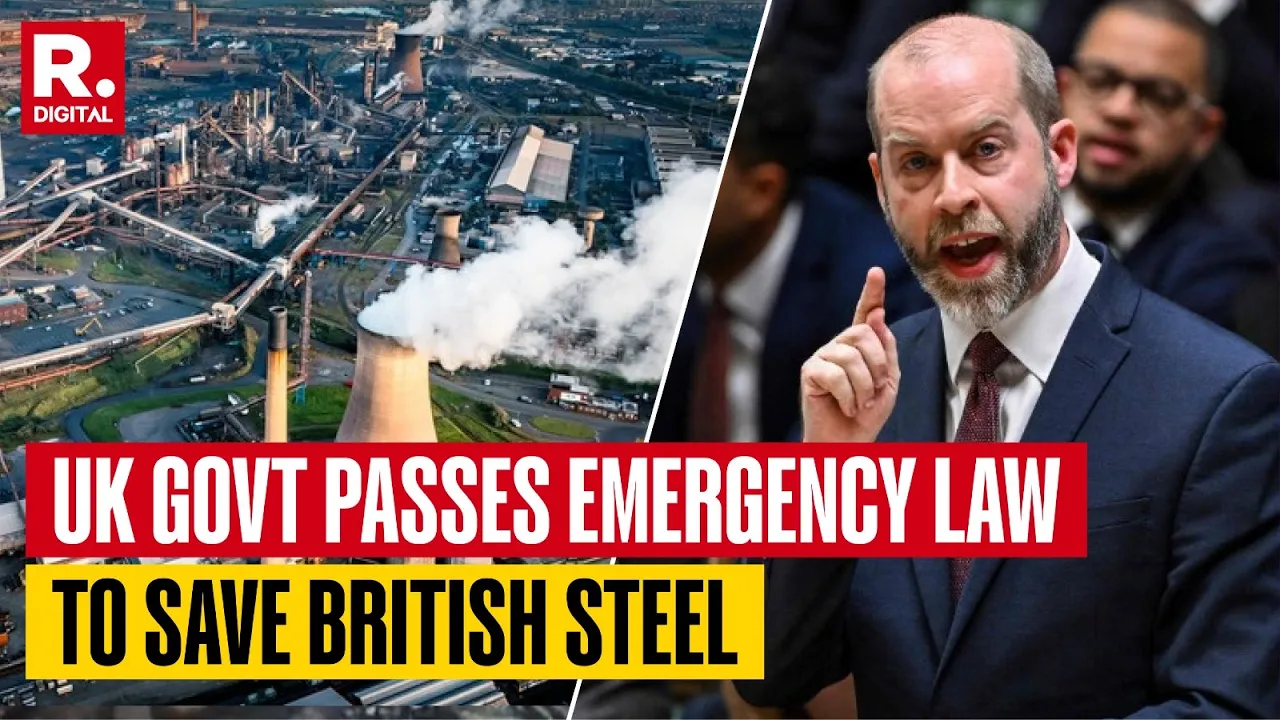
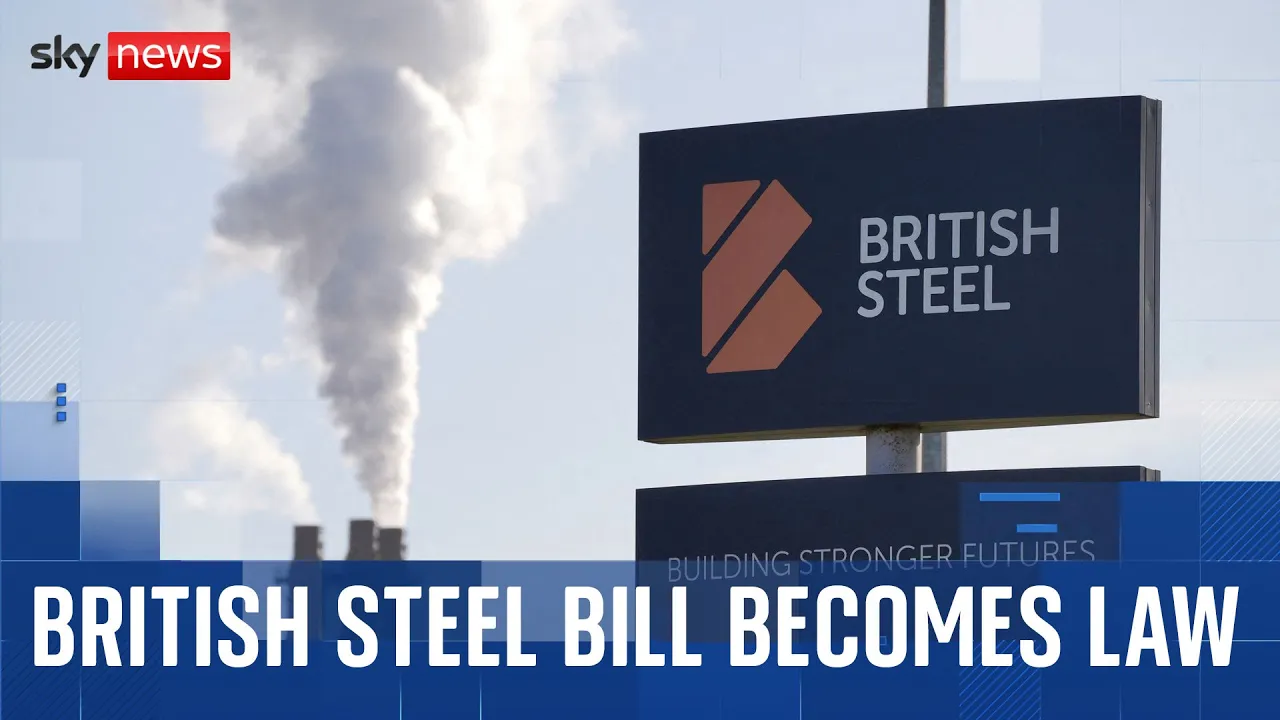
In an extraordinary move to safeguard domestic steel production, the UK government has seized control of British Steel's Scunthorpe plant from Chinese owner Jingye Group through emergency legislation. The dramatic intervention came after Jingye rejected a £500 million aid package and allegedly planned to shut down crucial blast furnaces, threatening the UK's ability to produce virgin steel.
Key Developments in the British Steel Crisis
The UK Parliament was recalled for a rare Saturday session on April 12, 2025, to pass emergency legislation granting the government sweeping powers to take control of British Steel's operations. The intervention followed what Business Secretary Jonathan Reynolds described as Jingye Group's intention to "close the blast furnaces come what may" while continuing to operate the more profitable mill operations with steel imported from China BBC News1.
"Steel is fundamental to Britain's industrial strength, to our security, and to our identity as a primary global power," Reynolds told MPs during the debate BBC News1. The emergency legislation received royal assent the same day, enabling government officials to immediately enter the Scunthorpe site.
Without this intervention, the UK faced the imminent prospect of losing its capacity to produce steel from raw materials rather than recycled metal. According to government sources, Jingye had canceled orders for iron pellets essential for blast furnace operations, which once cooled are "extremely difficult and expensive to restart" AP News2.
The crisis represents a significant turning point for the UK steel industry, which has struggled with profitability challenges, international competition, and the transition to greener production methods. Jingye Group, which acquired British Steel in 2020 after it became insolvent, had been in negotiations with the government over financial support to maintain operations at the loss-making Scunthorpe plant.
Global Reactions to UK's Steel Sector Intervention
Prime Minister Sir Keir Starmer made a forceful statement following the legislation's passage: "Today, my government has stepped in to save British Steel. We are acting to protect the jobs of thousands of workers, and all options are on the table to secure the future of the industry" BBC News1.
The decisive action has drawn support across the political spectrum in the UK. Reform UK's deputy leader Richard Tice and former Labour leader Jeremy Corbyn both commented on the situation, highlighting rare cross-party consensus on the need for intervention BBC News1.
On the international front, the move represents a significant shift in UK-China relations. Business Secretary Reynolds declared on April 13 that "China is no longer welcome in Britain's steel sector," signaling a tougher stance on Chinese investment in strategic industries Reuters3.
While there has been no official response from Beijing as of yet, the intervention comes at a delicate time for UK-China relations. Despite recent high-level diplomatic engagements—including British finance minister Rachel Reeves' visit to Beijing in January and Chinese foreign minister Wang Yi's trip to London in February—the steel sector takeover underscores growing wariness about Chinese investment in critical infrastructure Reuters3.
Expert Insights on the Government Takeover
Industry analysts point to the strategic significance of maintaining domestic steel production capability. Without the blast furnaces at Scunthorpe, the UK would become the only G7 nation unable to produce virgin steel, creating dependencies on foreign suppliers for construction, defense, and rail industries AP News2.
"The UK government had little choice but to intervene," said Dr. Eleanor Richards, industrial policy expert at King's College London, in a statement to media outlets. "Virgin steel production is considered a strategic capability for advanced economies, particularly given current geopolitical tensions and supply chain vulnerabilities exposed during recent global crises."
The intervention also represents a shift in UK industrial policy under the Labour government elected in 2024. After years of limited state intervention in struggling industries, the emergency takeover signals a more active approach to protecting strategic sectors.
Business Secretary Reynolds acknowledged the historic shift, stating that previous British governments had been "naive" to allow Chinese companies into the sensitive steel sector Reuters3. However, he emphasized that the government remains open to Chinese investment in less sensitive areas such as automotive manufacturing, life sciences, and agriculture.
Future Implications for UK Steel and International Relations
The government takeover raises significant questions about the future of British Steel and domestic steel production more broadly. While the immediate crisis has been averted, longer-term challenges remain, including the need for substantial investment to transition to greener production methods.
Reynolds has been unable to guarantee that the blast furnaces can continue operating in the long term, highlighting the precarious situation despite the government intervention BBC News4. The government had previously earmarked £2.5 billion for the steel industry and plans to publish a comprehensive strategy for the sector in spring 2025.
Nationalization remains a likely option for British Steel's future. The government has stated that "all options are on the table" to secure the future of the industry, including finding a new buyer or maintaining public ownership BBC News1.
The intervention also signals broader implications for UK-China relations and foreign investment policies. Reynolds' statement that Chinese companies will face a "high trust bar" when investing in key UK sectors suggests a more selective approach to international investment, particularly from countries that may pose strategic challenges Reuters3.
This shift aligns with trends in other Western nations, which have increasingly scrutinized Chinese investment in critical infrastructure and strategic industries. The emergency takeover of British Steel may represent a watershed moment in how the UK balances economic openness with national security concerns.
Steel's Strategic Future Hangs in the Balance
The unprecedented government intervention in British Steel marks a critical moment for UK industrial policy and international relations. While the immediate crisis has been addressed through emergency legislation, fundamental questions remain about the long-term viability of domestic steel production and the balance between economic openness and strategic autonomy.
As the government works to secure supplies of raw materials and develop a sustainable plan for the Scunthorpe plant, the future of British steelmaking—once the pride of the nation's industrial might—hangs in the balance. Will this intervention herald a new era of state involvement in strategic industries, or merely represent a temporary measure before market forces reassert themselves?